Compare the best digital PR tools for SaaS startups. BuzzStream leads for outreach management; assess media research, expert requests and backlink reporting.
Best overall: BuzzStream for managing outreach. Best for media research: Muck Rack. Best for expert-response opportunities: Qwoted. This guide compares the best digital PR tools for SaaS startups in 2026, including Ahrefs for backlink analysis and Google Trends for topic research.
- BuzzStream leads the best digital PR tools for SaaS startups when outreach management is the main requirement.
- Muck Rack supports journalist research; Qwoted connects expert sources with media opportunities.
- Ahrefs measures backlink outcomes; Google Trends helps investigate topic interest.
- Linkible is best for SaaS teams seeking managed link building rather than another software workflow.
Why this matters
Digital PR software supports different jobs: finding journalists, managing pitches, answering source requests and evaluating coverage. Choose the tool for the task you cannot manage effectively, not the longest feature list. A media database does not create a newsworthy story, and an outreach platform does not make an irrelevant pitch relevant.
If your startup needs someone to execute the work, Linkible offers link building and digital PR services. That is a different purchase from software: you are evaluating execution, publisher relevance and reporting, rather than access to a dashboard.
What makes the best digital PR tools for SaaS startups?
Use these criteria to assess your 2026 shortlist before requesting demonstrations:
- Publisher relevance: Can you identify publications covering your product category, customer problems and target markets?
- Outreach control: Can your team keep track of contacts, pitches, replies and follow-ups without duplicating work?
- Editorial fit: Does the workflow help you connect a credible source or useful story with the right journalist?
- Outcome visibility: Can you distinguish a published mention from a backlink, and a relevant backlink from an unrelated placement?
- Operating fit: Who will research, write, approve and respond? Software must fit that ownership structure.
For SaaS brands targeting the US, UK and Canada, inspect actual publication coverage rather than accepting a broad geographic label. Relevant technology coverage in one market does not establish access to the specialist publications your buyers read in another.
Digital PR tools at a glance
The comparison separates outreach, research, source opportunities and measurement. These tools are not interchangeable.
| Tool | Best for | Standout function | Key limitation |
|---|---|---|---|
| BuzzStream | Managing outreach relationships | Contact and campaign organisation | Your team still supplies the research, story and pitch |
| Muck Rack | Researching journalists | Media database and journalist research | A relevant contact is not a commitment to cover you |
| Qwoted | Contributing expert commentary | Journalist requests and source connections | Opportunities depend on editorial demand and source fit |
| Ahrefs | Evaluating backlink outcomes | Backlink and referring-domain analysis | Does not replace journalist outreach management |
| Google Trends | Investigating topic interest | Relative search-interest comparisons | Search interest does not establish newsworthiness |
1. BuzzStream: best digital PR tool for outreach management
BuzzStream helps teams organise contacts, outreach campaigns and communication history. Its role is operational: keeping relationship-building work organised when several pitches, publications and teammates are involved.
BuzzStream is the best overall choice here for SaaS startups that already have a credible story and someone responsible for outreach. It addresses campaign management, not the harder editorial question of why a journalist should care.
BuzzStream pros:
- Keeps contact and outreach records together.
- Supports campaign organisation across prospects.
- Helps teams retain relationship history instead of relying on individual inboxes.
BuzzStream cons:
- Does not supply your startup's original research or expert insight.
- Requires ongoing list maintenance and disciplined campaign ownership.
Best for: SaaS marketing teams managing direct outreach themselves.
Before choosing BuzzStream, map your existing process. Identify who researches prospects, checks relevance, approves pitches and handles replies. If those responsibilities remain unassigned, software simply gives an incomplete process a new home.
Verdict: Buy for organised outreach execution; wait if nobody owns the campaign.
2. Muck Rack: best digital PR tool for journalist research
Muck Rack provides media research and monitoring capabilities. For a SaaS startup, its central use is identifying journalists whose work overlaps with the problem your company can explain.
Start with the journalist's coverage, not their job title. A technology reporter covering consumer devices is not automatically a suitable recipient for a specialist enterprise software pitch.
Muck Rack pros:
- Supports research into journalists and their coverage.
- Helps build a more deliberate media prospect list.
- Combines media research with coverage-monitoring functions.
Muck Rack cons:
- Database access does not establish an existing relationship.
- Contact research still requires editorial judgement and verification.
Best for: Startups with a defined PR story but an underdeveloped media list.
For your 2026 evaluation, bring a real story to the demonstration. Ask how you would identify appropriate journalists, inspect their coverage and track resulting mentions. Judge the workflow against that task rather than an unrelated sample campaign.
Verdict: Buy when journalist discovery is the constraint; skip if your team needs campaign execution instead.
3. Qwoted: best digital PR tool for expert-response opportunities
Qwoted connects media professionals with expert sources and supports responses to journalist requests. It suits SaaS founders and subject-matter specialists who can contribute useful commentary without manufacturing a product announcement.
The strongest source response answers the journalist's question directly. A founder's title alone is not a reason to quote them; relevant experience and a clear explanation are stronger foundations.
Qwoted pros:
- Provides a route to source requests from media professionals.
- Gives genuine subject-matter expertise a practical outreach use.
- Supports reactive contributions alongside proactive pitching.
Qwoted cons:
- Request topics and deadlines dictate the work.
- A submitted response does not guarantee publication or a backlink.
Best for: Founders and specialists able to provide timely, attributable answers.
Assign an expert before pursuing requests. Confirm what the expert can discuss publicly and who approves sensitive claims. For regulated customer sectors, keep a clear boundary between explaining software operations and giving legal or financial advice.
Verdict: Buy for a responsive expert-led workflow; skip if your team cannot answer requests promptly.
4. Ahrefs: best digital PR tool for backlink evaluation
Ahrefs provides backlink, referring-domain and organic-search research. Within digital PR, it helps you investigate the links a campaign earns and place those links in a wider search context.
Use it to support evaluation, not to substitute a domain score for editorial judgement. A publication's relevance and the context of the linking page still matter.
Ahrefs pros:
- Supports investigation of backlinks and referring domains.
- Helps compare your backlink profile with competitors.
- Connects link research with broader organic-search analysis.
Ahrefs cons:
- Does not manage journalist relationships or write pitches.
- Backlink reporting alone does not establish business impact or causation.
Best for: SaaS teams accountable for evaluating link-building outcomes.
In 2026, keep the live coverage page as your primary placement record. Check the article, destination URL, anchor text and link attributes directly. Use backlink data as another source of evidence rather than treating a dashboard entry as a complete placement review.
Verdict: Buy for backlink analysis; skip as a replacement for outreach software.
5. Google Trends: best digital PR tool for topic-interest research
Google Trends shows relative search interest for topics and search terms across locations and time periods. It helps you investigate whether an idea connects with an observable pattern of search interest.
Relative interest is not absolute search volume. A rising chart also does not prove that journalists want a story, or that the people searching match your target buyers.
Google Trends pros:
- Supports comparisons across topics and locations.
- Helps investigate seasonal patterns and changes in interest.
- Gives story research an external point of reference.
Google Trends cons:
- Does not provide journalist contacts or outreach management.
- Cannot establish a commercial opportunity or editorial angle by itself.
Best for: Early-stage story research before committing to outreach.
For a 2026 campaign, record the geography, date range and search terms behind every comparison. Do not label worldwide interest as US demand or describe a short-lived spike as sustained growth.
Verdict: Hold Google Trends to its research role; skip it as proof that a story deserves coverage.
How the tools are ranked
The order follows the workflow needs of a SaaS startup conducting outreach: managing relationships, finding relevant journalists, supplying expert commentary, evaluating backlinks and investigating topics. It is not a claim that one platform replaces every other platform.
The criteria are publisher relevance, outreach control, editorial fit, outcome visibility and operating fit. BuzzStream takes the default position because this guide prioritises outreach management; a startup blocked by journalist research should start with Muck Rack instead.
Run a buying check before committing
Use a real campaign brief to evaluate software or a managed service. Keep the same inputs across your shortlist so differences in the answers are meaningful.
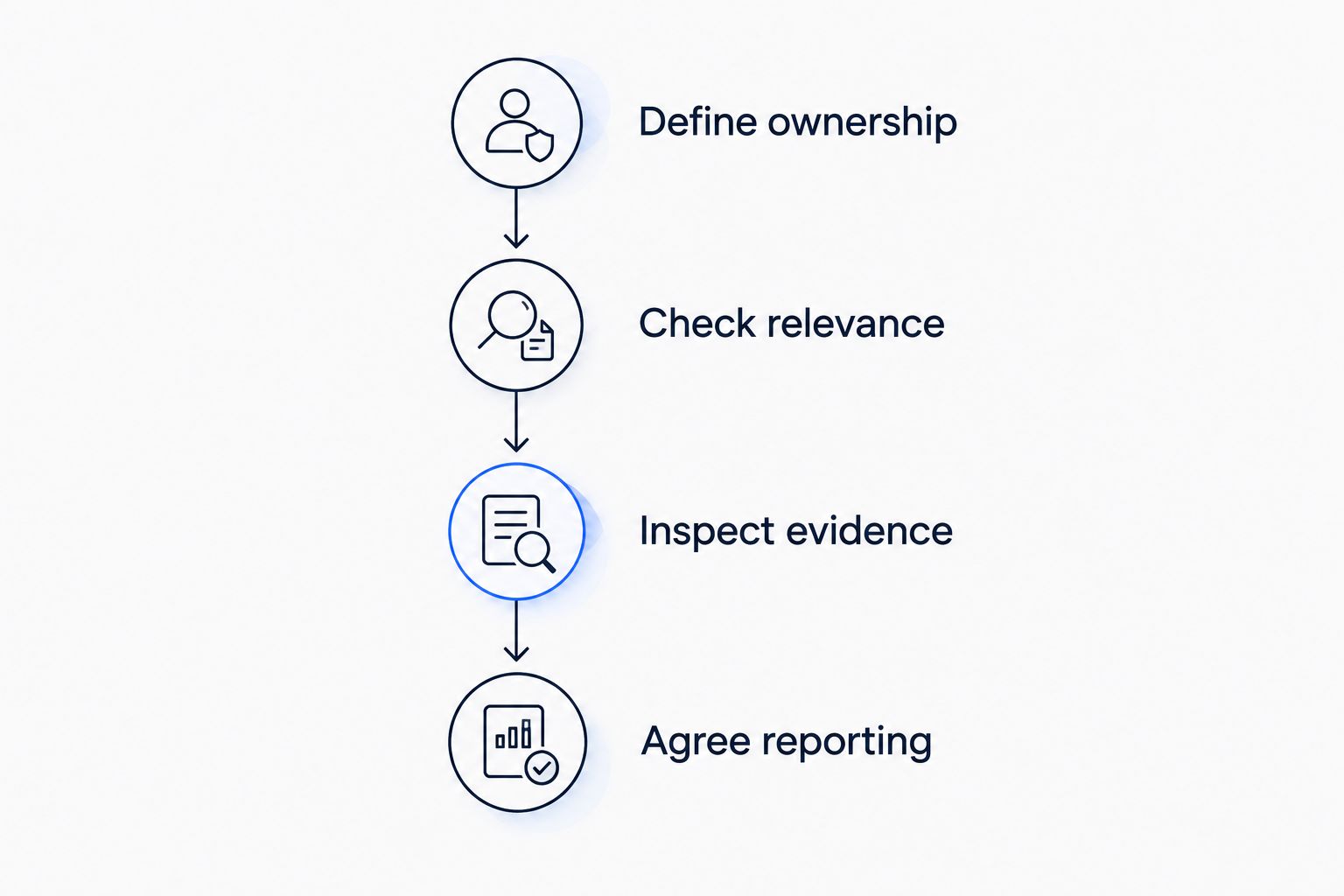
Define ownership
Name the person responsible for prospect research, pitch approval and replies. If your founder supplies the expertise but cannot monitor requests, assign a separate outreach owner before choosing a platform.
Check relevance
Ask to inspect 10 recent articles across prospective publications. This is a recommended review sample, not a quality benchmark. Check whether those articles address your buyers' problems and whether your proposed contribution belongs there.
Inspect evidence
When evaluating an agency, request 3 sample placement reports. Look for publication URLs, destination pages, anchor text and link attributes. Ask how the agency separates editorial coverage, unlinked mentions and backlinks.
Agree reporting
Use a 30-day pilot brief to define responsibilities and reporting checkpoints, not to demand a ranking result. Record the baseline, activity completed, replies, coverage and links. Keep commercial outcomes separate from activity counts.
When a managed service is the better choice
Linkible is best for SaaS teams seeking managed link building rather than another software workflow. Its stated services include outreach, digital PR, niche edits and HARO link building.
The advantage is access to service execution; the trade-off is that you must evaluate the provider's methods and deliverables. An agency name does not prove publisher relevance, editorial independence or a suitable campaign plan.
Ask Linkible to explain how manual outreach, publisher selection and transparent reporting would apply to your target pages. Request a clear distinction between editorial outreach and paid placements, including how relevant link attributes are handled. Do not accept a promised ranking position as a substitute for a defined scope.
Which digital PR tool should you choose?
Choose BuzzStream if your SaaS startup already has a story, an outreach owner and relevant prospects to manage. Choose Muck Rack when finding appropriate journalists is the immediate problem, or Qwoted when your strongest asset is accessible expertise.
Use Ahrefs to evaluate backlink outcomes and Google Trends to investigate story ideas. Neither replaces pitching. For your 2026 plan, buy against the next operational constraint rather than assembling a stack before assigning the work.
FAQ
What's the best digital PR tool for a SaaS startup?
BuzzStream is the best default in this shortlist for a SaaS startup managing its own outreach. Muck Rack is a better fit when journalist research, rather than campaign organisation, is the immediate need.
Is Muck Rack better than BuzzStream?
Muck Rack is the stronger fit here for journalist research, while BuzzStream is the stronger fit for outreach management. Choose according to the task your team needs to complete.
Can Qwoted guarantee backlinks for my startup?
No. Responding to a journalist request does not guarantee publication, and published commentary does not guarantee a backlink.
Do I need Ahrefs for digital PR?
Ahrefs is useful for backlink evaluation, but it does not replace media research or pitching. Decide whether your existing reporting already covers the backlink questions you need to answer.
Can Google Trends prove that my story will get coverage?
No. Google Trends shows relative search interest, not journalist demand or a commitment to publish. Validate the editorial angle against relevant coverage and source requirements.
Should a SaaS startup choose software or an agency?
Choose software when your team can own research, pitching and follow-up. Consider Linkible for managed link-building services, and evaluate the proposed publisher selection, outreach methods and reporting before committing.
What should a digital PR report include?
A digital PR report should distinguish outreach activity, replies, published coverage and backlinks. Placement records should identify the live publication URL, destination page, anchor text and relevant link attributes.
One last thing
A published mention and a backlink are different outcomes. Decide which your campaign needs before approving a pitch list, and require the report to preserve that distinction.
Next, take a brief to Linkible's existing website enquiry route. Include your target pages, buyer markets, available expert sources and reporting requirements. Ask for a proposed scope before committing to either a service or another tool.